All Categories
Featured
Table of Contents
- – Smart Practices Use Dental Answering Services ...
- – Dental Clinic Management Made Easy: Tools, App...
- – Dental Practice Management: Software, Schedul...
- – Patient Scheduling Systems That Keep Your Den...
- – Smart Practices Use Dental Answering Service...
- – How To Choose The Best Dental Practice Manag...
Operating a modern dental clinic takes more than dentistry expertise. The most successful practices rely on integrated software that streamline scheduling, billing, and patient care. This article explores the software, workflows, and marketing methods that keep clinics efficient — from practice management software to billing automation and patient communication.
Historically, dental practices used outdated desktop systems to book patients and track billing. This approach worked once, but today’s patient volume and compliance demands are higher. Insurance processing now demand digital precision. This is why practice management software is now non-negotiable.
Smart Practices Use Dental Answering Services For Patient Scheduling
Dental practice management software are the operational heart of any clinic. They bring together scheduling, charting, billing, and reporting into a single unified dashboard. Instead of juggling multiple systems, staff can view appointments, treatment plans, and payments all in one place. The result is happier patients and more consistent cash flow.
What separates great PPM software from average ones is the ability to centralize and interpret data. Take this as an example, if insurance pre-authorizations sync with billing, data entry and mistakes drop by half. Analytic tools inside most modern PPMs show which treatments bring profit or loss. Having these insights gives managers control again.
Selecting software that fits your clinic depends on practice type and growth stage. Dentrix by Henry Schein is widely used with robust modules for reporting, imaging, and billing. Eaglesoft is favored by clinics that value detailed charting. Open Dental is popular for transparency and lower cost. Curve Dental simplifies multi-location management. Every system has pros and cons. Start with a demo before committing and have staff test common scenarios. Staff comfort matters as much as features.
Training and onboarding are underestimated when new platforms go live. Even the best program fails when people understand the process. Designate a tech lead who can train others and maintain consistency. Build weekly check-ins to see how adoption is progressing. Small incremental coaching builds culture around technology use.
Dental Clinic Management Made Easy: Tools, Apps, And Automation Tips
Scheduling software have transformed dramatically. Automation now handle confirmations and cancellations with real-time updates. Current tools automatically prevent double-booking. Optimized calendars reduce downtime. Many practices also add online booking widgets, letting new visitors schedule from their phones. This approach is less phone time for reception.
Another underrated feature of advanced scheduling tools comes from analytics. You can measure peak hours, cancellation rates, and rebooking patterns. Such metrics let you optimize clinic hours. Say you notice certain hygienists have repeat reschedules, it gives you control, not guesswork.
Billing and insurance workflows are another critical layer. Submitting claims manually is slow and error-prone. Integrated clearinghouse connections speed up reimbursements. Many PPMs now include real-time eligibility checks, meaning better financial transparency. Payment plans and automatic reminders reduce accounts receivable aging. Tracking claim acceptance rates keeps the business side visible.
Dental Practice Management: Software, Scheduling, Billing & Marketing Explained
High-volume practices also adopt revenue analytics tools. These link payments, expenses, and insurance data. With automation, reconciliation becomes instant. You’ll track how seasonality impacts revenue. Such data integration improves decision-making year-round.
The next step is turning efficiency into visibility. No dental practice thrives on referrals alone anymore. Strong local SEO help fill chairs consistently. Ensure your GBP is verified, post regular updates, and create “service + suburb” landing pages. Patient-friendly content that explain procedures simply improve rankings and authority.
Automated follow-up workflows are becoming essential. Platforms that merge patient info and marketing channels help bring back dormant patients automatically. You can segment by patient type, treatment, or date. This personal touch turns one-time visits into long-term loyalty.
Patient Scheduling Systems That Keep Your Dental Chairs Full
Paid ads and retargeting complement your organic strategy. Focus within 10-15km radius for keywords like “teeth whitening in City”. Re-engage those who visited but didn’t book. Add lead magnets to boost conversion.
Another underused marketing and operations tool is the dental answering service. Despite automated reminders, a ringing phone can cost you revenue. Dedicated reception centers answer calls when your team can’t. They can book directly into your calendar. This is especially valuable for emergencies and new patient calls after hours. Practices that add phone coverage report higher booking rates. Embedding contextual links about answering services and patient communication creates smooth navigation between topics.
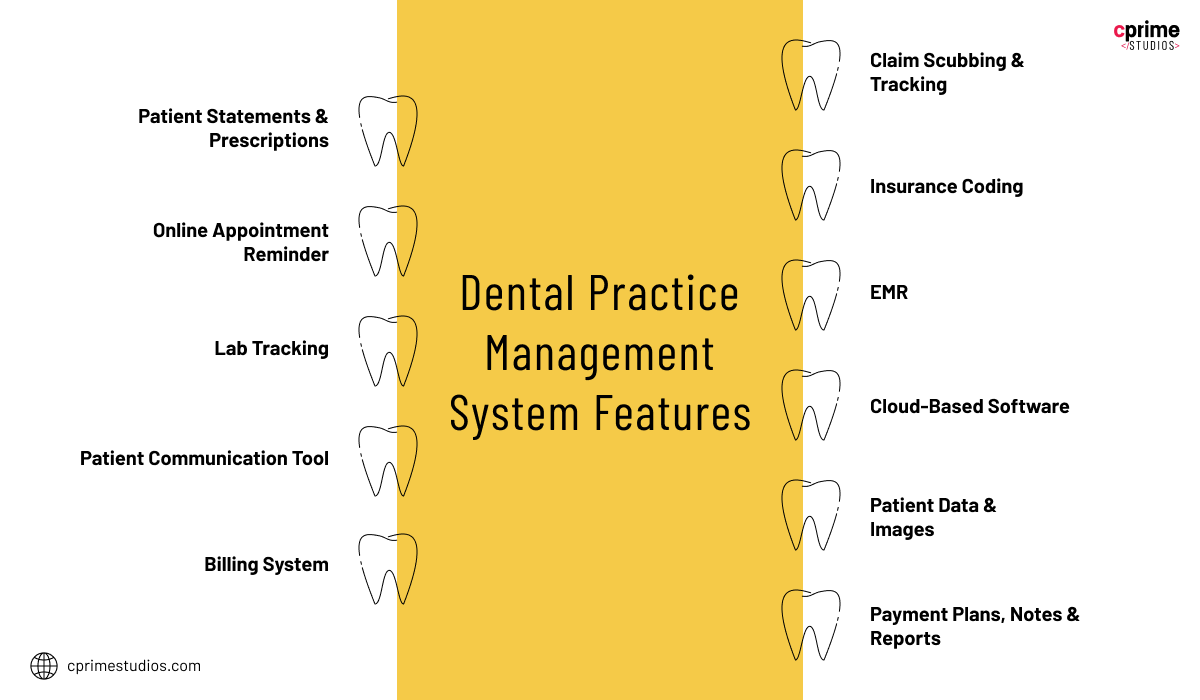
When all parts work together, growth accelerates naturally. Integrated systems cut manual tasks, while data visibility enables smarter choices. In practical terms, this means less chaos, more calm, and steady growth.
Smart Practices Use Dental Answering Services For Patient Scheduling
Here’s the playbook most modern clinics follow:1. Choose your core software. Ensure integrations are configured.2. Automate communication. SMS reminders, reactivation sequences, and review requests cut cancellations.Digitize finance. Track performance weekly.4. Build your marketing flywheel. Drive authority and conversions together.Review analytics. Reports on calls and lead sources keep you improving.Stay agile. Technology will keep changing, so treat improvement as ongoing.
A scalable dental business depends on structure, not chaos. When software, staff, and strategy work together, you gain predictable growth and happier patients.
How To Choose The Best Dental Practice Management Software For Your Clinic
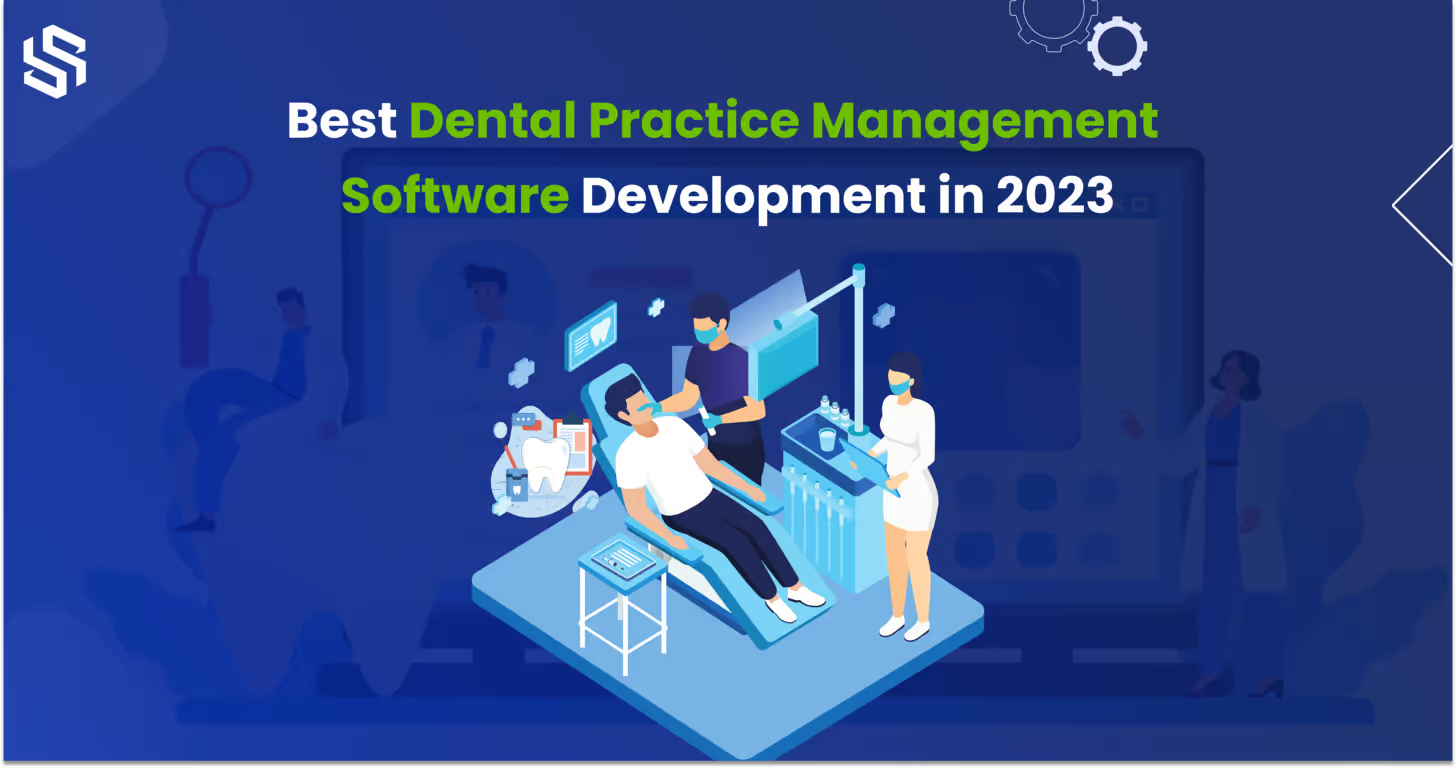
If you’d like to explore how dental answering services, automation, or practice management content can interlink for SEO, click here.

Table of Contents
- – Smart Practices Use Dental Answering Services ...
- – Dental Clinic Management Made Easy: Tools, App...
- – Dental Practice Management: Software, Schedul...
- – Patient Scheduling Systems That Keep Your Den...
- – Smart Practices Use Dental Answering Service...
- – How To Choose The Best Dental Practice Manag...
Latest Posts
After-hours Calls? Here’s How Dental Answering Services Help
Never Miss A Patient Call Again: Integrate A Dental Answering Service
Smart Practices Use Dental Answering Services For Patient Scheduling
Latest Posts
After-hours Calls? Here’s How Dental Answering Services Help
Never Miss A Patient Call Again: Integrate A Dental Answering Service
Smart Practices Use Dental Answering Services For Patient Scheduling